Thursday, April 23, 2026

Heritage bays merge into tourism powerhouse

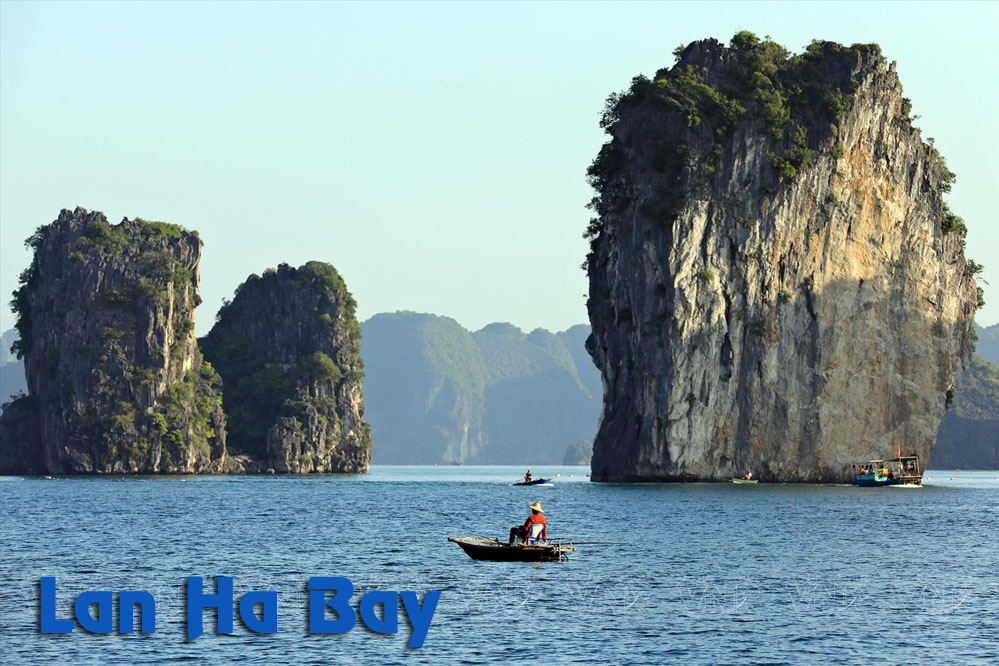
Cruise Lan Ha Bay - Quang Ninh and Hai Phong have signed a Coordination Regulation on managing the operation of inland waterway vessels transporting tourists in Halong Bay and Lan Ha Bay, effective from April 1, 2026, opening a new chapter in spatial linkage and the organization of marine tourism development.
An administrative decision, but one that opens up a new development structure where heritage values are placed within an interconnected whole rather than as disconnected "pieces".

According to the Halong Bay - Yen Tu World Heritage Management Board, as soon as the regulations come into effect, it is expected that an additional 5,000 to 6,000 tourists and more than 50 overnight cruise ships will travel from Lan Ha Bay to Halong Bay each day.

This new influx of tourists is not simply an increase in quantity, but a qualitative shift in the structure of destination development.

According to the Quang Ninh Provincial People's Committee, emphasized that the regulations on coordinating the management of tourist boat operations on the Halong Bay - Lan Ha Bay route will open up enormous development potential for tourism in both localities, contributing to increasing the number of tourists and enhancing the value of heritage exploitation for Quang Ninh province.

The requirements are simultaneously very clear: standardization of standards, ensuring absolute safety, and strict compliance with Circular No. 66 dated December 31, 2025, of the Ministry of Construction on technical and environmental requirements for tourist accommodation vessels, floating restaurants, and floating hotels.

Border guards, waterway police, and port authorities are tasked with both facilitating operations and tightening management to ensure security, order, and a healthy business environment.

An interconnected operating mechanism was established, in which licensing, regulation, and control of ship traffic between the two bays became a crucial link.

This regulation, therefore, goes beyond the technical realm. It opens up a space of interconnected heritage, where administrative boundaries gradually give way to a regional development mindset.

In the first quarter of 2026, Quang Ninh's tourism sector achieved revenue of 15,687 billion VND. This figure reflects the effectiveness of the strategy of product innovation, service quality improvement, and enhanced promotion over the past period. The opening of the two bays came at the right time, as the beach tourism season began, acting as a new impetus for growth.

The official permission to connect Halong Bay and Lan Ha Bay is not just a change in travel routes, but a significant shift in development thinking, from managing geographical boundaries to managing inter-regional heritage spaces.

For many years, the two geographically adjacent bays, both part of the Gulf of Tonkin ecosystem, operated as two separate destinations. As a result, the visitor experience was fragmented, while the overall value of the heritage remained largely untapped.

The connections that have been opened have formed a continuous experiential corridor: Halong Bay stands out with its magnificent cave system and unique geological and geomorphological values; Lan Ha Bay offers ecological spaces, beaches, Cat Ba forest, and distinctive fishing villages.

These two value structures, when placed side by side, form a "complete picture" of Vietnam's multi-layered maritime heritage, rich in rhythm and capable of telling a more coherent story to visitors.

One of the long-standing "bottlenecks" of bay tourism lies in the short length of stay, repetitive itineraries, and lack of depth in the experience.

The opening of the route has fundamentally changed this. Tourists can explore 2-3 bays in the same trip; 2-3 day tours have become more flexible and less repetitive; activities such as kayaking, swimming, cave exploration, and fishing village experiences are more rationally distributed.

The benefits extend beyond mere experience. Longer stays mean increased spending, especially in the high-end segment, the target market for Vietnamese tourism in the coming period.

For travel and cruise businesses, this is a policy that has been awaited for many years. The opening of new routes brings clear benefits because it optimizes itineraries, reduces operating costs (no need to return to old routes); increases ship operating capacity; and makes it easier to design new products and upgrade the experience.

From here, high-end product lines have the conditions to develop: multi-day boutique cruises, heritage and eco-tourism itineraries, or the "multi-bay cruise" model, a popular trend worldwide.

An inter-regional tourism corridor can only truly operate effectively when there is a compatible governance mechanism. According to Mr. Pham Ha, three systemic bottlenecks need to be addressed:

Firstly, the current inter-regional ticketing and fee mechanisms are still separated by locality, easily leading to overlaps and increased costs.

Secondly, regulations regarding overnight stays and anchorage points need to be more flexible, allowing itineraries to be designed according to market demand rather than being constrained by administrative boundaries.

Third, standardize service standards. An interregional journey requires consistency in everything from safety and environment to the quality of the experience. Without this consistency, added value will be difficult to create clearly.

In the long term, connecting Halong Bay and Lan Ha Bay can be seen as the starting point for a larger structure: the interconnected Halong - Lan Ha - Bai Tu Long marine heritage complex.

Such a space, if properly planned and managed, has the potential to become a leading attractive marine and island tourism cluster in Asia, a foundation for the development of the luxury yachting industry, and a model for balancing exploitation and heritage preservation.

The opening of the two bays, therefore, goes beyond simply creating new tourist routes. It opens up a new perspective on heritage as a vibrant whole, capable of connecting, complementing, and supporting each other.

With the right mechanisms and effective governance, this will be a crucial boost for Vietnam's coastal tourism to break through and move closer to the goal of becoming a world-class destination.

Source: https://cruiselanhabay.com/news/spatial-linkage-transforms-halong-and-lan-ha-tourism/

Australia chooses Vietnam over costly Europe

Cheap Vietnam Tours - Vietnam entered the list of the top 10 most searched destinations for the first time in March 2026, demonstrating its growing attractiveness on the international stage.


According to the Australian travel website Escape, amidst volatile global travel trends, Vietnam is emerging as a top destination for Australian tourists in 2026, expected to dethrone traditional, increasingly expensive European destinations.

Escape's travel experts believe that amidst the complex geopolitical situation in the Middle East and escalating travel costs in Europe, Asia in general and Vietnam in particular are emerging as ideal, safe, accessible, and budget-friendly destinations, offering a perfect blend of natural beauty, cultural values, exciting experiences, and delicious cuisine. The availability of direct flights with a flight time of less than 10 hours is a significant competitive advantage that helps Vietnam attract tourists from Australia.

According to the latest report from the online travel platform Travel Agent Finder, Vietnam has entered the list of the top 10 most searched destinations for the first time in March 2026, demonstrating Vietnam's increasing attractiveness internationally and its predicted status as a major tourist destination in 2026.

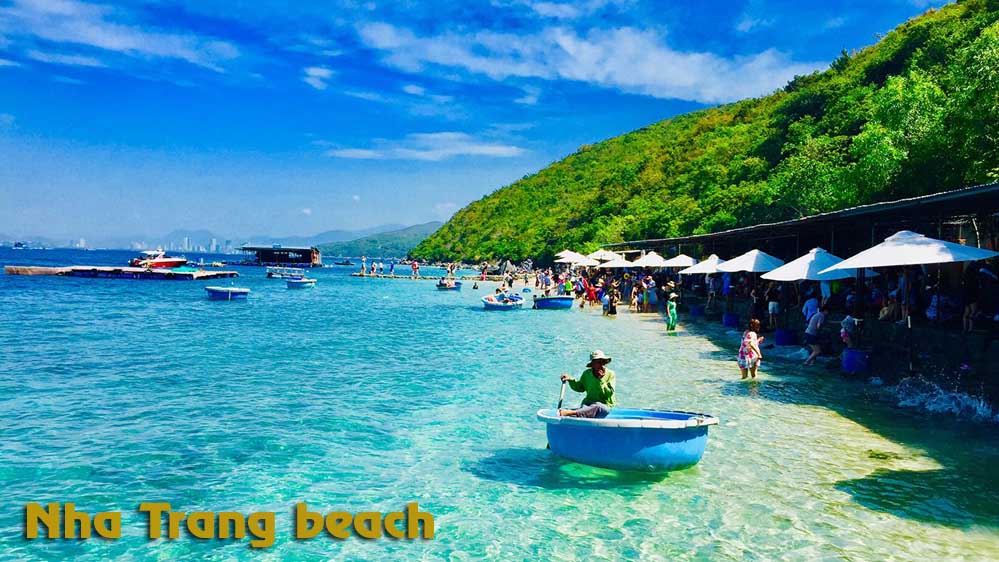
Notably, the Expedia platform also recorded a surge in demand with impressive growth in Vietnam's coastal cities. Nha Trang (Khanh Hoa) and Da Nang led the list of trending destinations in Asia, with accommodation search traffic skyrocketing by 65% year-on-year. Following closely behind was Phu Quoc Island with a 45% increase, surpassing popular coastal destinations in Indonesia and Thailand.

Sarah King, a representative from Expedia, stated: "Nha Trang is considered by international travelers as Vietnam’s ‘beach resort capital’ thanks to its long coastline, year-round sunny climate, and relaxed atmosphere." These are the excellent qualities that Australian travelers previously sought in the Mediterranean region.

Besides its tourism resources, the cost factor and the diversity of cultural and culinary experiences also play a significant role in enhancing Vietnam's competitiveness. Tourists can easily experience unique cuisine at affordable prices, while transportation and accommodation costs are also very reasonable compared to many other international destinations.

Currently, air connections between the two countries are very convenient. Tourists from major Australian cities such as Sydney, Melbourne, Brisbane, and Perth can easily fly directly to major Vietnamese cities like Hanoi and Ho Chi Minh City via airlines such as Vietnam Airlines, Qantas, and VietJet Air, opening up strong growth opportunities for Vietnamese tourism in 2026 and beyond.

Meanwhile, Singapore's The Strait Times also noted that Vietnam is becoming one of the top destinations in Southeast Asia, evidenced by the strong interest on social media platforms, as well as the significant growth of the tourism industry in recent years.

Currently, Vietnam attracts international tourists thanks to its combination of rich history, diverse natural landscapes, and reasonable costs. Street culture, cuisine, and affordable health and beauty services are increasingly attracting young travelers from countries in the region.

Simultaneously, many international hotel groups have been expanding their operations in Vietnam. Businesses in the accommodation sector believe that Vietnam possesses a combination of high tourism demand, an improving standard of living, and increasingly convenient connectivity.

In addition, large-scale projects continue to be implemented to enhance the capacity to serve tourists. Many international corporations are collaborating to develop resorts and hotels in key destinations such as Phu Quoc and Vung Tau, contributing to expanding the supply of rooms in the coming years.

In regions with scenic advantages such as the North and Central Vietnam, the trend of wellness tourism is also growing, with the participation of international hotel brands such as Melia Hotels International and Hilton Hotels & Resorts. This demand is fueled by improved air connectivity, with many new routes being opened, increasing accessibility for international tourists.

According to data from the Vietnam National Tourism Administration, Vietnam's tourism revenue has increased rapidly over several decades, from VND 1.34 billion in 1990 to VND 355 trillion in 2010 and is projected to reach approximately VND 840 trillion in 2024. Following the COVID-19 pandemic, Vietnam has also emerged as the fastest-recovering tourism market in Southeast Asia, with international visitor numbers reaching approximately 98% of pre-pandemic levels in 2019.

Vietnam recorded its highest tourism growth in the first quarter of 2026 with 6.76 million international visitors, a 12.4% increase compared to the same period last year. Key markets such as China, South Korea, and Taiwan (China) continued to be the main drivers of demand.

Source: https://cheapvietnamtour.com/news/vietnam-emerges-as-budget-paradise-for-aussie-visitors.php

Tuesday, April 21, 2026

Building a strong tourism brand for Dong Nai

Package Vietnam Tours - In the first quarter of 2026, Dong Nai province welcomed approximately 1.55 million tourists, generating nearly 1.16 trillion VND in tourism service revenue. In the second quarter, tourist areas and attractions in the province are hoping that the Hung Kings Commemoration Day, the anniversary of the liberation of the South and reunification of the country (April 30th), and International Labor Day (May 1st) will attract a large number of people from within and outside the province for recreation and entertainment. The province's tourist areas and attractions have already prepared programs to welcome visitors.


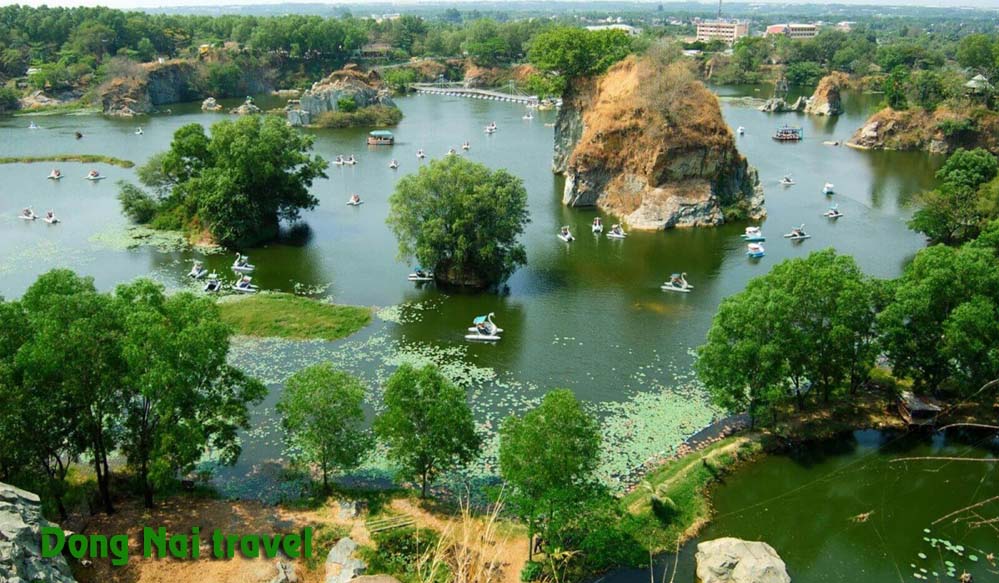
Dong Nai boasts many attractive destinations for tourists to choose from, such as Cat Tien National Park, Bu Gia Map National Park, Tri An Lake, Cau Dau Lake, Suoi Mo Stream, Buu Long Tourist Area, Bo Cap Vang (Golden Scorpion) Cave, Giang Dien Waterfall, Bom Bo Squirrel Cave, etc. In addition, tourists can also choose to go on eco-tourism trips to orchards in communes and wards such as Long Khanh, Bao Vinh, Xuan Loc, Tan Phu, etc., to enjoy various fruits and experience the fresh air.

According to forecasts, during the holidays at the end of April and beginning of May 2026, many families will choose to travel to nearby destinations. This presents an opportunity for tourist areas and attractions in Dong Nai to attract more visitors for recreation and entertainment. However, for a long time, tourists visiting Dong Nai have mainly been day-trips with low spending, averaging around 750,000 VND per person. Therefore, while the number of visitors to the province is high, revenue remains low. To increase tourism revenue, tourism products and accompanying services must be attractive enough to entice tourists to spend money on them.

In recent years, the province has made noteworthy strides in shaping eco-tourism and resort products associated with forests, lakes, rivers, waterfalls, and gardens. Several businesses have also boldly invested in resorts and nature experiences in a "green" and sustainable direction. However, overall, tourism in Dong Nai is still largely in its potential stage; tourism products lack distinctive features, services are not yet synchronized, and the length of stay for tourists remains short.

In the context of the increasing demand for experiential tourism and nature-based experiences, this is a significant advantage for Dong Nai compared to many other localities in the region. However, this advantage can only be truly realized through systematic planning and focused investment. Destinations need to be linked to form a value chain capable of retaining tourists. If each tourist visiting Dong Nai spends only about 1 million VND per person, the province could generate over 1 trillion VND in additional revenue annually.

Currently, tourism infrastructure has not kept pace with demand, and transportation connections to some destinations remain limited; accompanying services such as high-quality accommodation, distinctive cuisine, and souvenirs have not developed proportionally. To accelerate tourism growth, a clear development strategy is needed, identifying the right key products. For Dong Nai, this should focus on eco-tourism, resort-style tourism, and experiential tourism linked to forests, rivers, lakes, and waterfalls, combined with agricultural tourism and local culture. Once the direction is determined, attracting investment also needs to be selective, prioritizing capable investors with a long-term vision, avoiding fragmented development that disrupts the landscape.

Furthermore, the province needs to simplify and shorten administrative procedures, create clean land funds, and connect convenient transportation infrastructure so that businesses can confidently invest quickly in tourism projects and products. At the same time, the province should focus on building the Dong Nai tourism brand to create a strong impression on the national tourism map. In addition, to accelerate tourism development, the province needs to train tourism human resources. Strengthening communication and promotion, linked with large-scale cultural and sports events , will help enhance recognition and attract tourists.

Source: https://packagevietnamtours.com/vietnam_news/enhancing-services-to-increase-tourism-revenue-in-dong-nai.asp

Da Dung island emerging as ecotourism destination

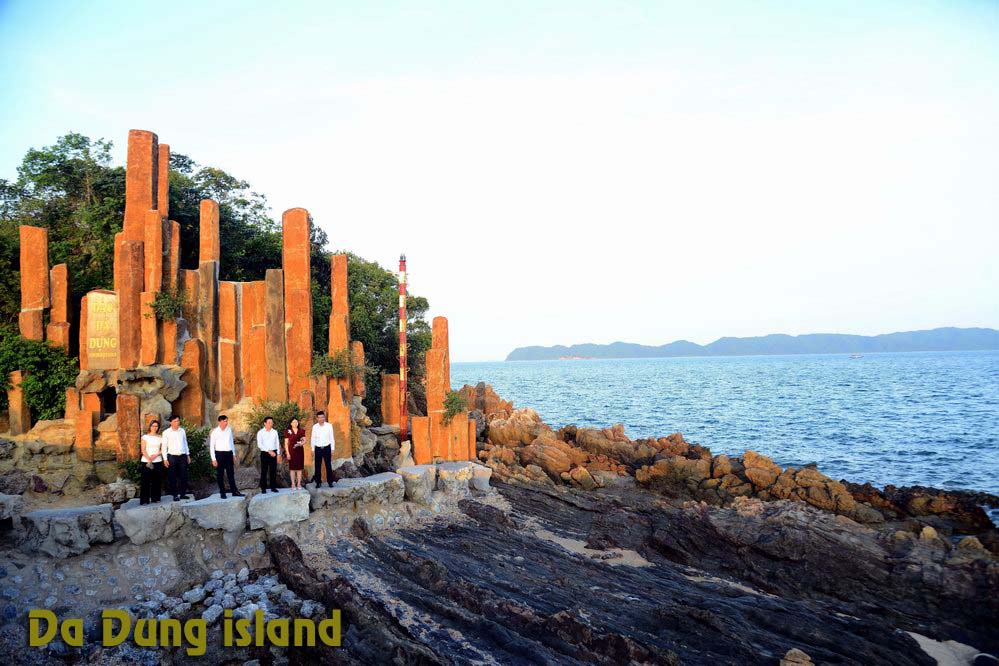
Bai Tu Long Bay cruise - Nestled within the Bai Tu Long Bay complex, Da Dung Island, located in Dam Ha commune (Quang Ninh province), stands out with its towering limestone formations, diverse marine ecosystem, pristine mangrove forests, and long stretches of white sandy beaches.


Bai Tu Long Bay currently boasts over 600 islands, with Da Dung Island being one of the highlights of this coastal region. Located approximately 12km northeast of Dam Ha commune (formerly Dam Ha district), the island covers an area of about 63.3 hectares, encompassing rocky mountains, earthen hills, and pristine forests. Its crescent-shaped beach, nearly 800m long, is an ideal spot for visitors to immerse themselves in the fresh, unspoiled nature.

The rich marine and forest ecosystem, clear blue seawater, and tranquil landscape offer rare value for the development of high-end resort tourism, linked with exploration and conservation.

With the goal of diversifying and developing ecotourism and introducing high-quality tourism products in Bai Tu Long Bay, Quang Ninh province has recently realized this by announcing tour itineraries in Bai Tu Long Bay and itineraries connecting Ha Long Bay and Bai Tu Long Bay; organizing workshops on tourism development in the bay; and introducing high-quality cruise ships to welcome tourists to experience services in the bay.

In June 2025, the People's Committee of Quang Ninh province officially announced Da Dung Island (Dam Ha) as a provincial-level tourist destination. This event contributes to increasing the number of high-quality eco-tourism and resort products, giving tourists more options when visiting Quang Ninh. The area has suitable infrastructure for relaxation, experiential tourism, and organizing events and weddings, catering to high-spending tourists.

This tourism product is oriented towards developing a model for the high-end customer segment. It has the potential to become an ideal destination for those seeking pristine nature and high-quality resort experiences. All development must prioritize the preservation of ecological values, environmental protection, and a harmonious integration of infrastructure and nature.

Da Dung Island is part of Quang Ninh province's regional tourism development plan. Connecting tourist routes from Ao Tien to Da Dung, or from Da Dung to neighboring islands, will create an attractive tourism chain, maximizing the potential already planned by the province. This is a long-term approach that will help exploit natural advantages and create unique tourism products for Quang Ninh.

The recognition of Da Dung Island as a provincial-level ecotourism destination by the Quang Ninh Provincial People's Committee is not only an honor and source of pride for the Party Committee, government, and people of the former Dam Ha district, but also an acknowledgment from all levels and sectors of Quang Ninh province of the beautiful natural landscape, clean climate, and ecological and tourism value of Da Dung Island.

Besides its natural advantages, the Da Dung Island tourist destination also needs improved transportation links and a well-known route map to facilitate visitor access. Furthermore, due to its isolation, the island currently lacks access to the national power grid, has an unstable telecommunications network, and only has a limited supply of fresh water. If it were to accommodate a constant influx of tourists and operate at full capacity, it would face difficulties.

According to the investor of the tourist area on Da Dung Island, tourism products on the island include relaxation, experiential tourism such as being a fisherman, squid fishing... The company is collaborating with neighboring fishing villages, connecting tourist routes to open a center for displaying OCOP products, creating opportunities for economic development for local people.

Along with Co To Island, Ngoc Vung Island, Quan Lan Island..., Da Dung Island is expected to add unique marine ecotourism products and serve as a new model for exploiting the marine economy while preserving the environment, contributing to making Dam Ha a new destination on Quang Ninh's tourism map.

Source: https://baitulongtours.com/news/da-dung-island-adds-value-to-bai-tu-long-bay.asp