Saigon Tours - Not only maintaining its position as the "leading tourism hub of the South". Ho Chi Minh City is gradually positioning itself as a dynamic destination with rich, multi-layered experiences, attracting both international and domestic tourists in the new normal context of the tourism industry after the administrative boundary merger. With a series of new tourism products, continuous promotional programs, and a long-term development strategy, Ho Chi Minh City's tourism is expanding its development space while contributing to boosting the city's socio-economic growth.
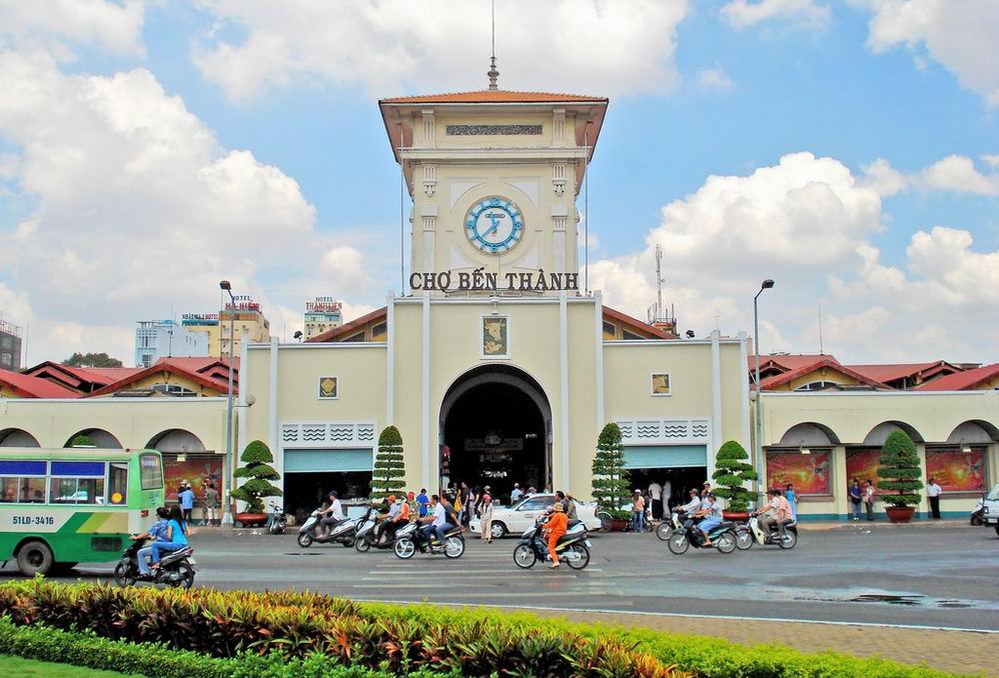
In 2025, Ho Chi Minh City's tourism sector continued its positive growth momentum with 8.56 million international visitors and approximately 45.6 million domestic visitors. Total tourism revenue is estimated at 279,000 billion VND, accounting for nearly one-third of the city's total revenue and achieving 101% of the set plan. Based on these results, in 2026, Ho Chi Minh City's tourism industry aims to reach 11 million international visitors and 50 million domestic visitors.
These figures not only clearly demonstrate the strong recovery of Ho Chi Minh City's tourism industry after years of being severely affected by the COVID-19 pandemic, but also show the increasing attractiveness of this destination on the international tourism map.
According to the Ho Chi Minh City Department of Tourism, in the process of implementing the development orientation of Ho Chi Minh City to become a leading financial, commercial, service, and tourism center in Southeast Asia, expanding urban development space associated with improving the quality of infrastructure, tourism services, and building a smart tourism ecosystem is identified as one of the key tasks, contributing to ensuring sustainable growth and enhancing the competitiveness of the destination.
Ho Chi Minh City is not only recovering in terms of tourist numbers but is also actively innovating its tourism products and experiences. The tourism products being promoted include: MICE tourism (meetings, incentives, conferences, and exhibitions), leveraging the advantages of modern infrastructure and event centers; historical site tourism; waterway tourism on the Saigon River, connecting unique waterway routes; agricultural and community tourism in surrounding areas such as Hoc Mon, Cu Chi, Can Gio, and Long Son; night tourism; medical tourism; and culinary tourism… attracting both domestic and international tourists.
Notably, Ho Chi Minh City also focuses on developing inter-regional tourism routes with prominent destinations from neighboring localities after the merger (such as Ba Ria - Vung Tau, Binh Duong), creating a complete chain of experiences from dynamic urban areas to seaside resorts, green rural areas, and diverse ecosystems. According to the strategic direction of the tourism industry, this will be a competitive advantage in attracting international tourists in the new phase.
Speaking at the recent seminar "Ho Chi Minh City Tourism Development Space - Driving Force from Service Chain Linkages and Customer Experiences," Mr. Pham Huy Binh, Director of the Ho Chi Minh City Department of Tourism, affirmed that Ho Chi Minh City's tourism is rapidly transforming towards quality, sustainability, and multi-dimensional experiences. "We are not only focusing on the number of tourists but also on improving services, expanding into new markets, especially in Asia and Europe, aiming to make Ho Chi Minh City a leading destination in the region".
As Ho Chi Minh City enters a new phase of development, the city recognizes that tourism is not just a single economic sector, but an experiential ecosystem. By 2030, the city aims to become a smart tourism city, where local cultural identity is preserved and disseminated through the power of modern technology.
As Ho Chi Minh City becomes a large-scale integrated urban area, its tourism space expands, resources become richer, and opportunities for cooperation become more diverse. However, this also demands a broader vision and closer coordination. Therefore, the city's tourism industry is entering a new phase with a determination to develop products that reflect its unique identity, pioneer in digital transformation, and especially to build a professional culture - tourism ethics - and hospitality as core values.
Long-term strategy for continued breakthroughs in tourism.
Not content with its current achievements, Ho Chi Minh City's tourism industry has set a target for further expansion in 2026, aiming to welcome 61 million visitors, including 11 million international tourists and 50 million domestic tourists. Total tourism revenue is projected to reach 330,000 billion VND, affirming its role as the leading tourism hub in the country. To achieve this goal, the city is revising its tourism development plan until 2030, repositioning its vision, products, and tourism brand based on big data and the application of artificial intelligence in its operations.
The Ho Chi Minh City Department of Tourism is also working closely with domestic and international partners to develop unique tourism products that reflect the cultural and historical heritage of Southern Vietnam, while simultaneously connecting and developing a cross-regional tourism ecosystem.
Doan Thi Thanh Tra, Deputy General Director of Saigon Travel Service Company, commented that Ho Chi Minh City, upon expansion, should not only become a center for accommodation but also develop into a "super multi-experience tourism city." Accordingly, it is necessary to focus on unique products such as: combining urban culture - river tourism - beach resorts - traditional craft village experiences - eco-tourism in suburban areas; investing in the development of night-time tourism, food courts - night markets - performing arts, to attract spending from international tourists; focusing on river tourism and the "one city - two airports" product, leveraging aviation infrastructure to increase international tourist traffic…
According to Tra, one of the decisive factors for tourism to become a key economic sector is the application of technology and big data. Ho Chi Minh City needs to implement a smart tourism ecosystem integrating multiple platforms, including digital maps, service reviews, customer feedback, and online payment, ticketing, and promotion systems.
The reorientation of tourism development in Ho Chi Minh City, in the context of administrative boundary expansion, is a turning point for the city to make a strong breakthrough in this key service sector. With steadily increasing visitor numbers, diverse tourism products, and continuously improving management capacity, Ho Chi Minh City is asserting its position not only domestically but also on the international tourism map.
With a clear strategic vision and close coordination between management agencies, businesses, and the community, tourism in Ho Chi Minh City is projected to continue to be one of the important drivers of socio-economic growth in the city in the new era.

No comments:
Post a Comment